Swedish road signs
50 signs, additional panels and markings from the questions, with official images and Swedish names.
What shapes and colours mean
You can usually tell what a sign means from its shape and colour.
- WarningTriangle with a red border and yellow background
- Give way and priorityDownward triangle, octagon, yellow diamond
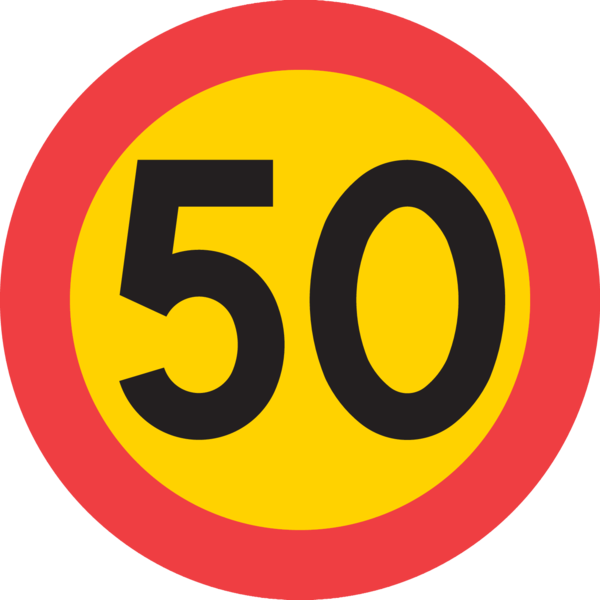
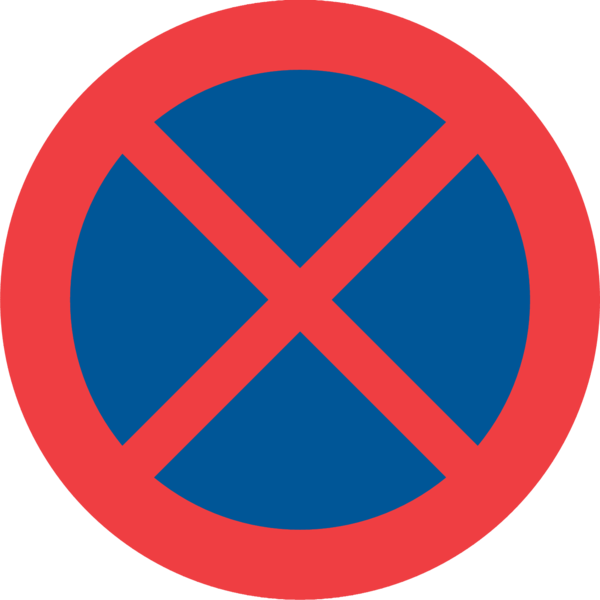
- Prohibition or restrictionRound with a red border
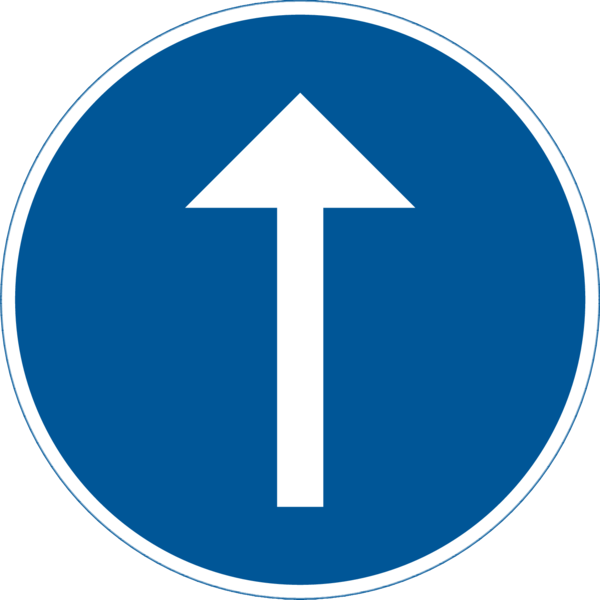
- MandatoryRound and blue with a white symbol
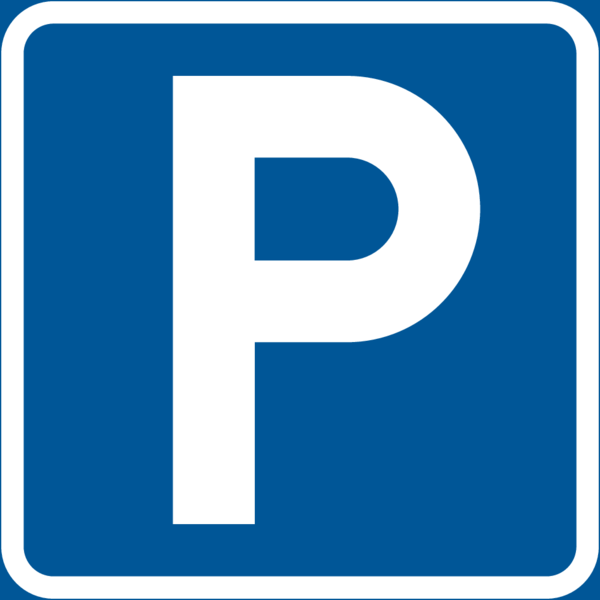
- Special regulationSquare and blue
- Additional panelA small panel under a sign, in the same colours
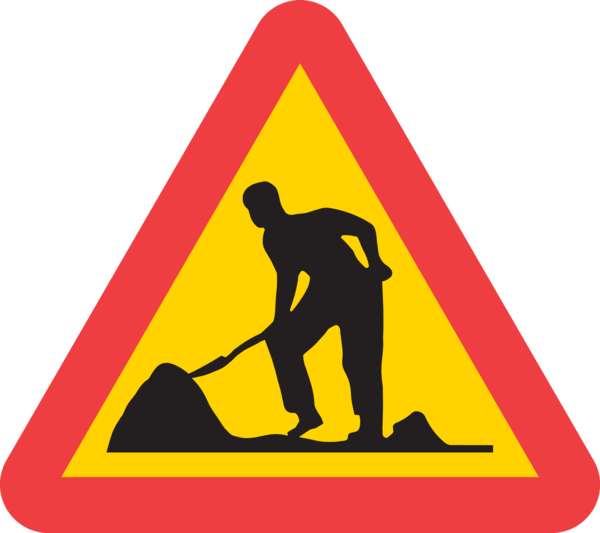
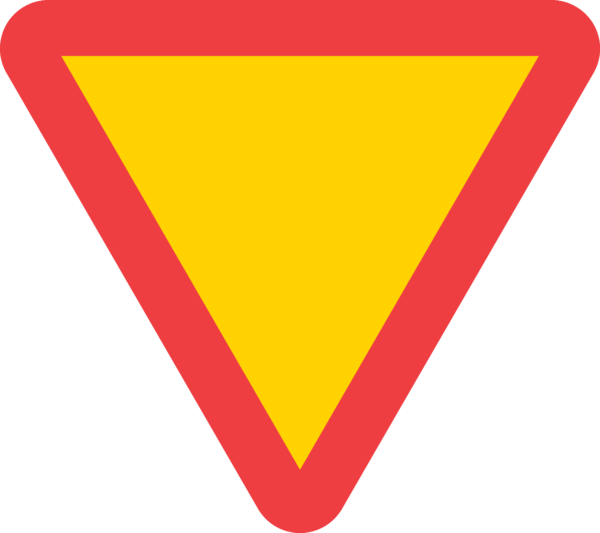
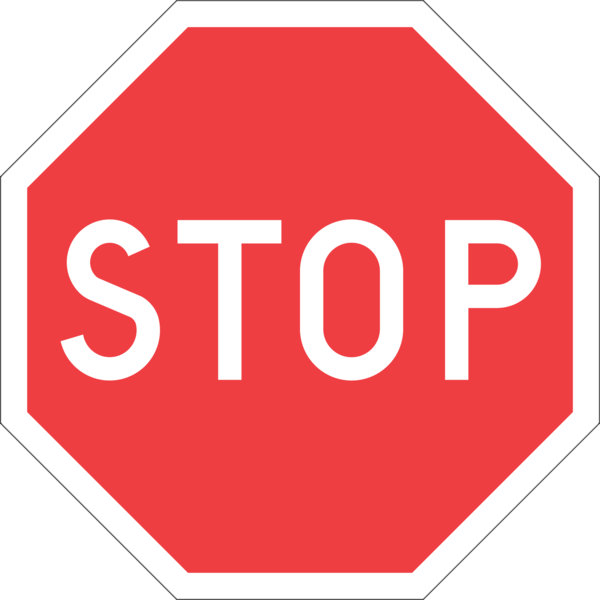
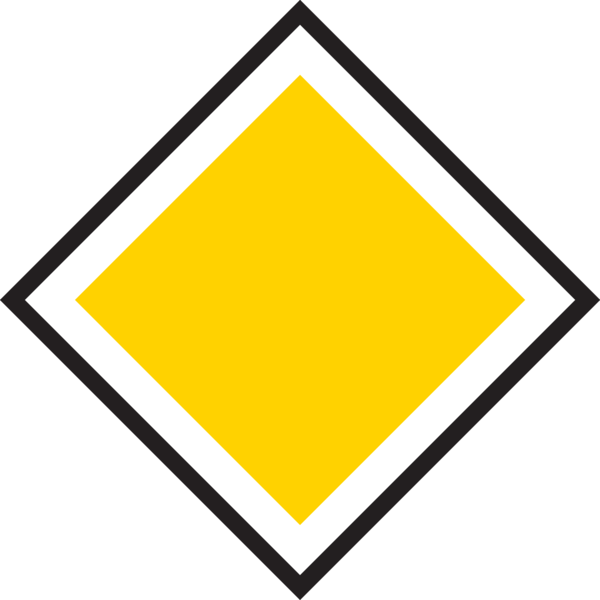
Danger warning signs
Warn of a hazard and say what kind of hazard it is. They are placed at the distance from the hazard where they work best, by day and by night.
Priority signs
Tell you the give-way rules: give way, stop, priority road and priority at narrow passages.
Prohibitory or restrictive signs
Unless stated otherwise, the prohibition applies from the sign to the next junction, or to an end sign before it. Exits from places such as car parks, petrol stations, paths or cycle tracks do not count as junctions.
Mandatory signs
Unless stated otherwise, the instruction applies from the sign to the next junction, or to an end sign before it. A sign that makes one kind of traffic mandatory also prohibits other traffic, unless otherwise specified.
Special regulation signs
Tell you about conditions that apply at a particular place, road or stretch of road. Unless stated otherwise, they apply up to an end sign.
Road markings
Used to regulate traffic or to warn or guide road users, on their own or together with signs.
Additional panels
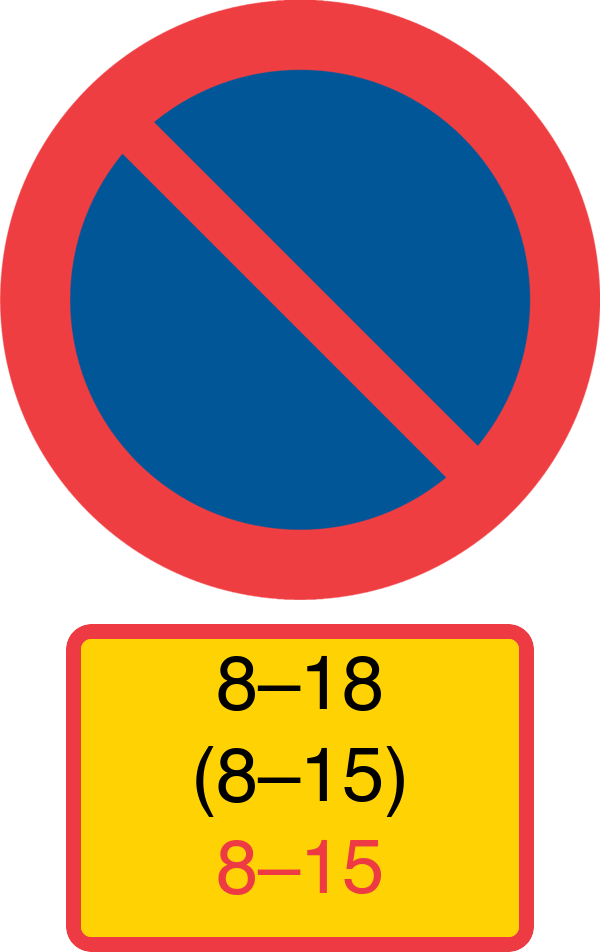
Give additional instructions to a sign. They use the same colours as the sign above; under a no-parking or no-stopping sign the panel is yellow with black text.
Hazard warnings
Signs that warn of a hazard ahead, such as a bend, a slippery road, animals or a level crossing.
Give way and priority
Signs that decide who must wait at junctions and on narrow stretches of road.
Speed and type of road
Speed limits, plus the built-up area and motorway signs, where their own speed rules apply.
No entry and restrictions
Signs that close the road to certain vehicles or ban U-turns and overtaking.
Stopping and parking
Signs that show where you may or may not stop and park.
Direction, lanes and lines
Signs and lines that show which way, carriageway or lane you must use.
Pedestrians and cyclists
Signs that warn of, or set aside space for, pedestrians, cyclists and moped riders.
Additional panels
Small panels under a sign that give a distance, length, time, vehicle weight or extent.
Read next

 Theory testRequirements, booking, test day and results: how the test works from start to finish.Read the guide

 Study in EnglishChoosing English, switching to Swedish during the test, and the ID you’ll need.Read the guide
 The appStart free, study every day and see with practice tests that you’re ready.About the app
Learn the signs by answering questions
Sign questions are part of the study rounds and practice tests, with an explanation for every answer.